Understanding the Relevance of Reporting Foreign Inheritance to IRS for Tax Obligation Compliance
Steering the complexities of international inheritance requires a clear understanding of IRS reporting commitments. Numerous people undervalue the significance of precisely reporting these assets, which can cause unintended repercussions. Failing to abide by IRS regulations may cause significant penalties and lawful problems. It is vital to realize the nuances surrounding international inheritances to stay clear of pitfalls. The complying with areas will clarify important aspects of compliance and the prospective threats involved.

What Constitutes Foreign Inheritance?
When a private gets properties from a dead individual's estate located outside of the United States, this transfer is taken into consideration an international inheritance. Foreign inheritances can include various kinds of properties such as realty, bank accounts, investments, personal valuables, and service rate of interests. The worth and nature of these possessions may vary markedly depending on the regulations and customs of the nation in which the estate is located.
In addition, the procedure of getting these properties can entail steering via international lawful systems, which may impose particular demands or taxes connected to inheritance. The recipient may additionally run into obstacles in establishing the reasonable market value of the inherited assets, specifically if they are not acquainted with the local realty or monetary markets. Understanding what constitutes an international inheritance is crucial for individuals to guarantee conformity with both regional laws and any possible responsibilities they may have in their home nation.
IRS Reporting Requirements for Foreign Inheritance
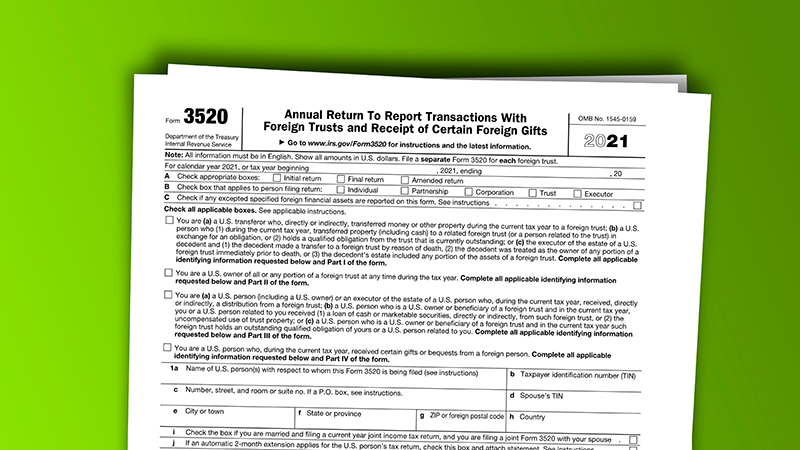
Just how does one steer through the IRS coverage demands for international inheritance? People who obtain an inheritance from abroad should recognize details reporting responsibilities to guarantee conformity with IRS policies. The Foreign Financial Institution and Financial Accounts Record (FBAR) is one vital requirement; if the overall value of international accounts exceeds $10,000 any time during the year, it has to be reported. Furthermore, Form 3520 may be needed for reporting foreign presents or inheritances over $100,000 from non-U.S. persons. This kind captures information about the inheritance, consisting of the resource and amount. Falling short to adhere to these coverage requirements can lead to significant charges. It is vital for recipients to maintain comprehensive documents of the inheritance, including any type of documents from foreign entities. Consulting with a tax obligation professional well-informed concerning international tax regulations can offer additional advice in steering with these reporting commitments efficiently.
Tax Obligation Effects of Receiving an Inheritance From Abroad
Getting an inheritance from abroad can lug considerable tax ramifications for people, specifically as they navigate the complexities of worldwide tax obligation laws. The IRS requires U.S. residents and homeowners to report foreign inheritances, which might cause various tax obligations - penalties for not filing Form 3520. Although inheritances themselves are typically not thought about taxed revenue, coverage is essential to stay clear of fines
Furthermore, the estate may go through estate tax obligations in the foreign country, which could impact the navigate to this site net worth obtained by the successor. If the inheritance consists of international possessions, such as genuine estate or investments, they may come with unique tax obligation factors to consider, consisting of prospective capital gains taxes upon sale.
Furthermore, people may require to conform with foreign tax obligation laws, which can vary markedly from united state legislations. Comprehending these implications is essential for correct tax compliance and to assure that all responsibilities are met without sustaining lawful problems or unnecessary expenses.
Common Blunders to Prevent When Coverage Inheritance
Steps to Guarantee Compliance With IRS Laws
Recognizing the actions necessary to assure compliance with IRS regulations is essential for any individual reporting an international inheritance. Initially, people must verify whether the inheritance goes beyond the reporting limit, which can set off added demands. Next off, it is necessary to collect all pertinent documents, consisting of the will, depend on papers, and records of the foreign estate's value.
Sending Kind 3520, which especially attends to foreign gifts and inheritances, click here to read is necessary to inform the IRS of the inheritance. Individuals have to additionally ensure that any type of appropriate taxes connected to the inheritance are paid, consisting of prospective estate taxes in the international territory.
Furthermore, keeping exact records of all transactions and interactions regarding the inheritance can give needed support in instance of an internal revenue service inquiry. Looking for expert guidance from a tax expert knowledgeable about international tax obligation laws can better improve conformity and alleviate risks related to reporting foreign inheritances.
Regularly Asked Questions
What Takes place if I Fail to Record My Foreign Inheritance?
Failing to report an see this website international inheritance can cause considerable penalties, passion on unsettled taxes, and possible lawful consequences. The IRS might go after enforcement actions, making complex future monetary transactions and conformity responsibilities for the individual entailed.
Can I Deduct Expenditures Connected To Receiving Foreign Inheritance?
No, expenditures associated with receiving an international inheritance are generally not insurance deductible for tax objectives. Inheritance itself is normally ruled out taxed income, and linked costs can not be asserted to decrease tax obligation obligation.
Exist Charges for Late Coverage of Foreign Inheritance?
Yes, there are penalties for late coverage of international inheritance to the IRS - foreign gift tax reporting requirements. These can include fines and passion on unpaid tax obligations, making prompt disclosure vital for conformity and avoiding extra economic burdens
Exactly How Does Foreign Inheritance Influence My State Taxes?
Foreign inheritance might impact state taxes in different ways depending on jurisdiction. Some states enforce inheritance or inheritance tax, while others do not. It is vital to get in touch with local policies to figure out details tax ramifications connected to international inheritance.

Are Gifts From Abroad Taken Into Consideration Foreign Inheritance for IRS Purposes?
Gifts from abroad are not categorized as international inheritance for IRS purposes. Form 3520 foreign gift. Instead, they are dealt with separately under gift tax obligation laws, with different coverage needs and thresholds that individuals need to stick to for compliance
Furthermore, the process of obtaining these possessions can entail navigating via foreign legal systems, which may enforce details requirements or taxes associated to inheritance. The Internal revenue service calls for U.S. residents and citizens to report foreign inheritances, which may activate different tax obligation commitments. Submitting Form 3520, which specifically deals with international presents and inheritances, is crucial to educate the IRS of the inheritance. Failing to report a foreign inheritance can lead to significant penalties, interest on unsettled taxes, and prospective legal repercussions. No, costs associated to getting a foreign inheritance are typically not deductible for tax purposes.